
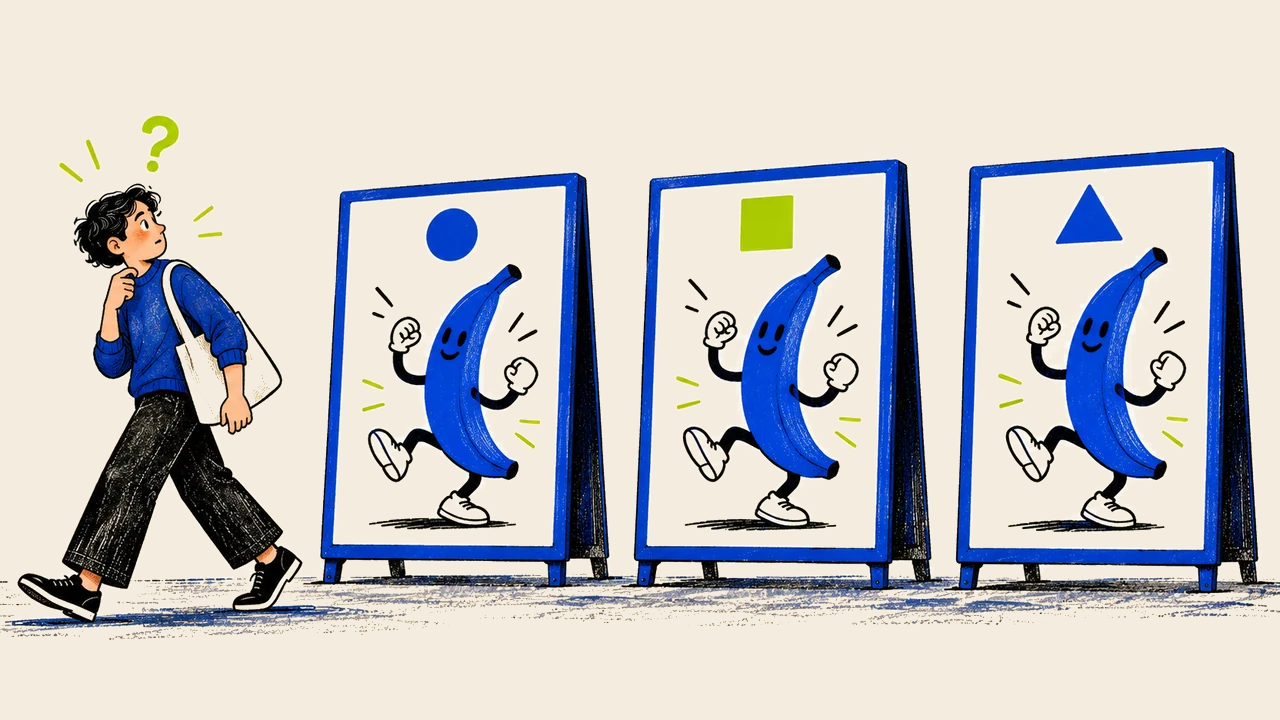
By the fourth brand using the same joke, I already know where the punchline is going. That can be enjoyable. Recognizing the format is part of being in on it, and a company does not need to invent a new genre of comedy every Tuesday. What starts to bother me is how little changes when I imagine replacing its logo with somebody else’s.
If a bank, a shoe shop and a project-management app could publish the same version, I would struggle to say what the joke has helped me understand about any of them. The post may have entertained me. Remembering the company is another question.
Being familiar without becoming interchangeable
Sprout Social's Q3 2026 survey offers an interesting tension. Among 2,286 consumers in the US, UK and Australia, originality was one reason favourite brands stood out, while keeping up with online culture also mattered. People appear to want brands to understand the conversation and bring something of their own to it. Those are survey preferences, not evidence that an original post automatically sells more. Read the survey discussion.
Banning trends would leave the more interesting problem untouched. The interesting work starts inside the familiar format: finding the observation that belongs to this product or this audience. That is harder than getting a logo into the corner, but it gives the brand a reason to have joined the conversation.
Consider a hypothetical luggage brand using a familiar travel joke. One version puts its logo over a clip about packing too much. Another recreates the situation using its own suitcase, showing what fits and where the handle catches when someone rushes out of the door. Both borrow a recognizable situation. The second gives the viewer something to associate with the product, including a detail the brand might prefer to gloss over.
The handle catching is the sort of detail I would want to develop. It gives the scene a recognizable inconvenience, and the product has to survive it. Suddenly the creative question is about how this suitcase behaves, which is more interesting than deciding how loudly to announce the brand.
Return to the luggage example. The product-led version still needs judgment. If the suitcase is pushed into a joke where it serves no purpose, the audience may understand the advertisement perfectly well and find it less enjoyable. Adding a product shot is not enough to earn attention.
An editor could try two versions: one built around the general travel frustration, another around a specific packing decision the suitcase helps with. Show them to a few people who resemble the intended audience. Ask what happened in the video and which company they think made it before revealing the answer. Those responses can expose confusion, although a small informal review is not a representative brand study.
A useful reason to join in
Before approving a trend post, write down the answer to one question: what should someone remember about us after this?
“We understand this frustration” can be a reasonable answer. So can demonstrating a product feature or expressing a recognizable attitude. A post does not need to explain the entire business. But if the only answer is that other brands are posting it, the team has mostly identified pressure to participate.
Use this short check before production:
- Would the intended audience recognize or care about the situation?
- Does the product or brand perspective affect the execution?
- Is the joke still timely enough to justify the work?
- Are the footage, music and other borrowed elements cleared for the planned use?
- What result would make this particular post worth repeating?
That final answer should influence the review. A recognition exercise can help assess whether viewers connect the execution to the brand. Comments may reveal whether they understood the intended point. Neither proves incremental sales, and a large like count cannot answer every question on the brief.
A throwaway joke still has a place. A company that treats every small observation as an important statement about itself sounds exhausting. But if the next week’s calendar depends on finding another borrowed personality, I would pause before filling it. There may be a quieter, more particular observation about the product waiting for someone to notice it.