
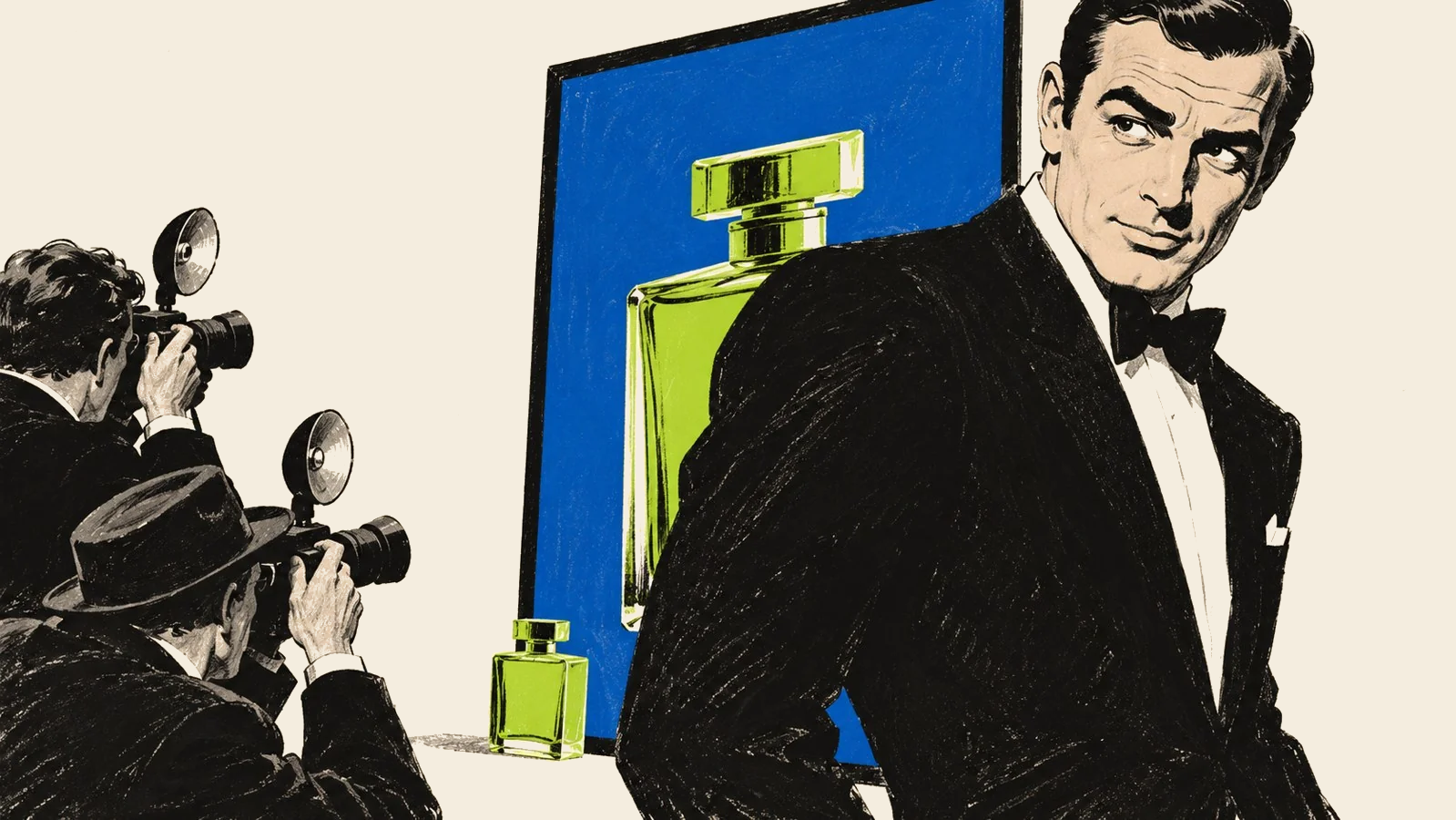
“I’m going to tell you a story about a man. His name is Bond, James Bond.”
That’s Madeleine Swann, speaking to her daughter in the final moments of No Time to Die.
Sean Connery. Roger Moore. Pierce Brosnan. Daniel Craig.
Different faces, different versions of the same character. We all have a favourite. Mine might not be yours, and that conversation could easily take the rest of the evening.
But something about the casting interests me more than deciding who wore the suit best.
How much should we know about the person wearing it?
The person we already know
In an earlier piece I wrote about Bond, I suggested that the actors were relatively unknown before taking the role. That was too broad.
Pierce Brosnan already had Remington Steele. In fact, his commitment to the series stopped him from becoming Bond when he first had the opportunity. He got the role years later in GoldenEye. The Television Academy tells that story in an interview with Brosnan.
So “Bond only casts unknown actors” is too neat an explanation.
What I found more interesting was how longtime Bond casting director Debbie McWilliams described the job. In an interview with The Independent, she said Bond needs to retain “a total enigma.” Knowing too much about the actor’s personal life, in her view, can get in the way of believing the character. Read the interview.
That makes sense to me.
You want to watch a spy walk into a room. You don’t want to be thinking about the actor’s morning routine from a magazine profile.
A famous face brings more than attention
When a brand hires a celebrity or works with a creator, it gets someone people already recognise. That recognition is useful. You might stop scrolling because you like the person before you even notice what they’re promoting.
But we recognise people for a reason.
We know their humour. Their opinions. The roles they play. Sometimes we know far more about their relationships than we ever intended to.
All of that comes into the campaign with them.
Imagine a creator whose appeal comes from making fun of expensive purchases. Put that person in a polished luxury campaign, and the audience might spend the whole video waiting for the joke.
That could be a good idea if the campaign is built around that expectation. It could also make a sincere message difficult to believe.
The casting decision has already shaped how the audience reads the work.
What will people remember?
I enjoy a good celebrity ad. Sometimes I remember the performance years later.
The brand? Occasionally, I have to look it up.
Researchers call this the vampire effect: a celebrity can overshadow the advertised brand and weaken brand recall. My memory isn’t a campaign report, but it’s the sort of experience that makes the question interesting.
So a large following gives us one piece of information. It doesn’t tell us what the audience will take from the partnership.
If I were choosing a face for a campaign, I’d want to ask:
- What do people already associate with this person?
- Does that help us explain the product?
- Can we give them a role that feels believable?
- After the entertaining part is over, what connects the moment to our brand?
I’d ask the same questions about a smaller creator. A niche audience can have a very strong idea of who someone is and what they stand for.
Let them bring something useful
There’s another side to this.
Hire someone for their personality, then remove every trace of it from the script, and you may lose the reason people liked them in the first place.
The aim can’t be to make every spokesperson interchangeable.
Connery and Craig didn’t give us the same Bond. Their differences are part of why people still argue about them.
For me, the useful marketing question is how someone’s personality contributes to the job we need the campaign to do. Their humour might make a difficult subject approachable. Their experience might make a demonstration credible. Their particular way of explaining things might help an audience finally understand the product.
Those are reasons to choose a person. “They’re popular” leaves a lot of the decision unfinished.
McWilliams was talking about casting a fictional spy. Applying that thinking to brand partnerships is my interpretation, rather than a claim about why every Bond actor was chosen.
But it leaves me with a question I’d happily take into a campaign meeting:
What does this person help the audience believe about us?