
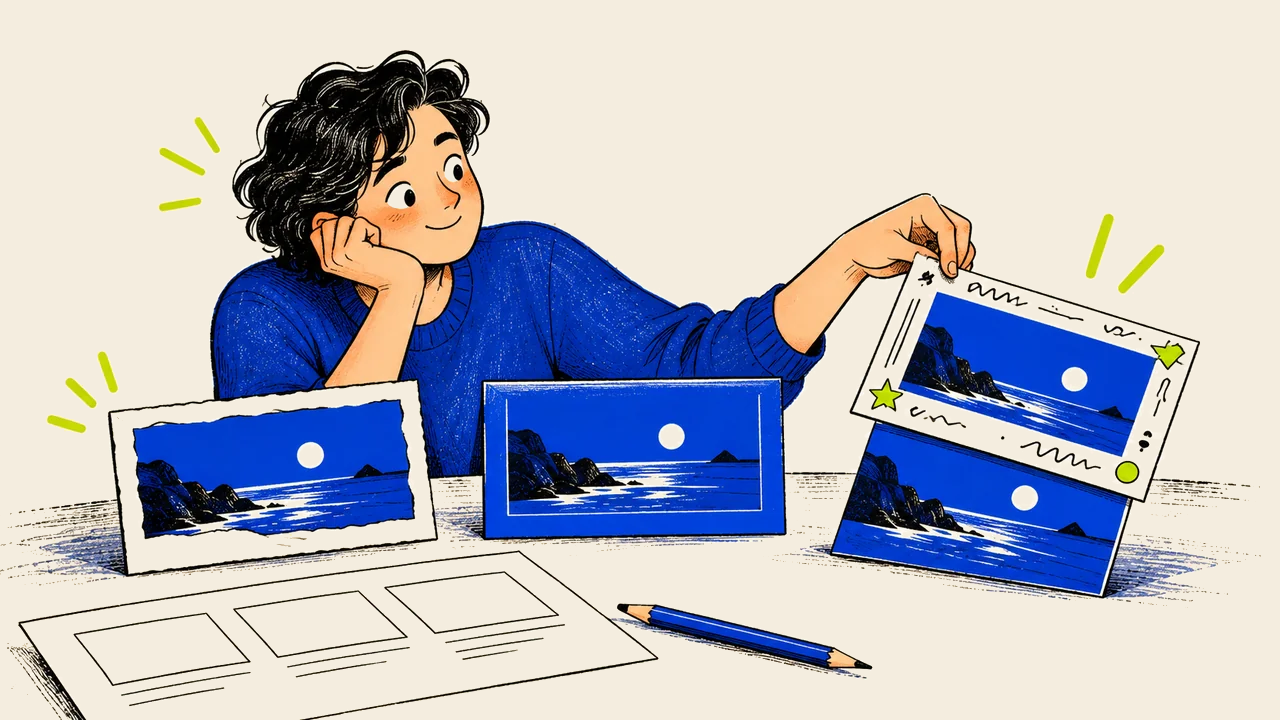
A border, a caption and a logo can make a clip look as though it belongs to another page. They do much less to explain why someone should watch it again. I understand the attraction when a calendar has empty spaces and the team has already spent its best ideas on the previous week.
Still, I would want to know what the edit contributes before calling it repurposing. If the viewer gets exactly the same explanation for exactly the same reason, the new branding may be the largest change the team has made.
What changed for the audience?
Meta's March 2026 explanation of originality on Facebook distinguishes substantive new contributions from low-value changes to existing material. It describes simple alterations, such as adding borders or changing speed, as insufficient, while recognizing that meaningful new information or analysis can change the contribution. Meta's originality guidance.
This is specific Facebook guidance. It should not become a claim that every platform treats every reuse identically, or that a business is automatically penalized for distributing its own work in several places.
There is also a separate question about permission. A platform considering something sufficiently original does not, by itself, establish the rights to use all the source material. Credit and permission need their own attention.
The editorial question remains useful even when the brand owns everything: what does this version help its audience understand?
One interview can answer several different questions
Imagine a company has recorded an interview with its own product specialist and has the necessary permissions. The full conversation explains a recurring customer problem. A short video could isolate the moment where the specialist demonstrates a common mistake. A carousel could compare the available options. An article could explain the exceptions that would make the short video unwieldy.
What interests me in that interview is the choice of question. The short demonstration can show the mistake; the article can stay with the exception long enough to explain it. Both have a purpose. Cutting the interview into equal-sized pieces would mostly give the audience a series of places where the editor happened to stop.
Repetition can be useful too. A clear answer may deserve another outing. It does not need a claim of radical originality every time it appears. But a repurposing plan should describe why this version belongs here, especially when it asks an audience to watch material they may already recognize.
Suppose the specialist says a setting works for a particular type of customer, then explains an important exception. The short clip keeps the confident opening and loses the exception. It may become easier to watch while becoming less useful to the person deciding what to do.
Reviewing the extract alongside the original helps catch that problem. Ask whether a new viewer would reach the same conclusion about the advice and its scope. If the qualification cannot fit naturally, choose a narrower question for the short version or direct viewers to a fuller explanation without making the clip misleading on its own.
I would be equally careful with a chart lifted into a carousel. Leave out what was measured and a narrow result can begin to look like a rule about everyone. The prettier layout has then made the explanation worse. The source title and labels may be doing less glamorous work than the design, but they are part of what the reader needs.
Give the person responsible for factual review access to the source and the proposed adaptation. Otherwise, they are judging the polish of the new version without seeing what it has changed. Repurposing can reduce production work, but verification still belongs to each finished piece.
Put the added value in the brief
Before assigning the edit, I would want the brief to name its audience question, the new contribution and why that answer suits the placement. Put the source and permitted use beside it. Review the finished version against the original meaning before approval.
An interview worth making may well deserve more than one audience. Research and production take work, and a useful answer need not disappear after its first outing. But I would want each edit to leave me with a clear reason for its existence. The source material may be the same; the editorial decision still belongs to the person making this version.