
A car can be introduced through its engine, its price or the number of seats inside. But those details rarely explain why someone remembers it.
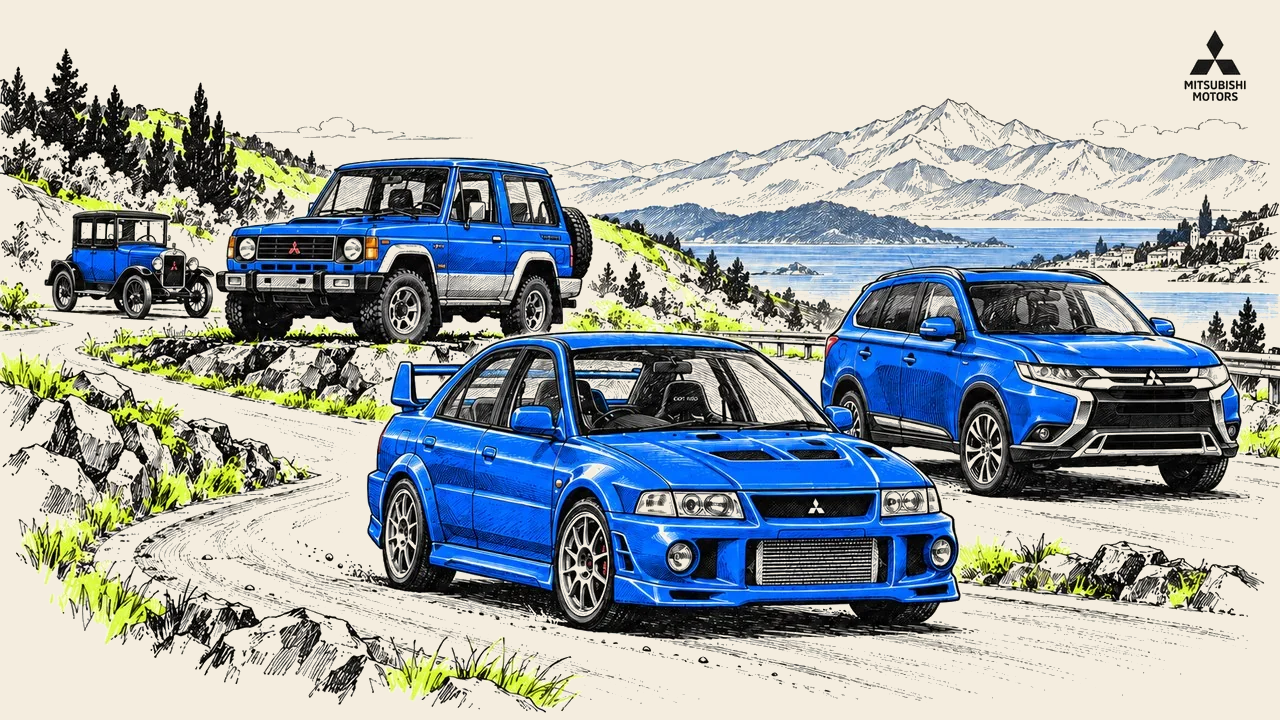
In late 2017 and early 2018, I wrote four sponsored articles about Mitsubishi Motors for Roar Bangla. One followed the company’s history. The other three explored the Pajero, Lancer and Outlander. Looking back at them together, what interests me is how differently the same brand can be introduced.
Start with a story the reader can enter
The company-history article opens with an idea and a founder, then follows the business toward its automotive identity. It gives the reader somewhere to begin before asking them to care about a car.
That is a useful distinction in branded content. A brand has a history, but the reader still needs a reason to follow it. The connection between a person, an ambition and what grew from it provides a narrative that a list of milestones alone cannot.
Let each product have its own character
The Pajero article has a different centre of gravity: difficult terrain, endurance and the Dakar Rally. There is a natural story in a vehicle being put to the test. The product’s capabilities become part of something happening, rather than a row of claims.
The Lancer piece follows another kind of momentum. It moves through generations, changes in engineering and a racing identity. For a reader interested in cars, the evolution is part of the appeal. The details matter because they help explain how the model changed.
Then there is the Outlander. Its story brings the car closer to everyday use: space, comfort, travel and the development of its hybrid version. The reader is invited to consider a different relationship with the vehicle.
All four pieces concern Mitsubishi. They do not need to sound like four versions of the same introduction.
Technical detail needs something to attach to
Automotive writing comes with a lot of numbers. Engine sizes, power outputs, dates and model names can quickly crowd the page.
When I revisit this work, the passages that hold my attention connect those details to a change or a consequence. A new feature is easier to follow when the reader understands what problem it addresses, what it changes about the vehicle, or where it fits in the model’s development.
That does not mean removing the technical material. It means giving it a place in the story.
The language is part of the work
These articles were written in Bangla. International model names and engineering terms sit alongside familiar expressions and a conversational narrative.
For me, that combination is worth paying attention to. Writing about a global brand for a Bangla publication involves more than presenting information in another language. The explanation has to feel readable in that language, too. The reader should be able to follow the story without feeling that every sentence has arrived from a product brochure.
What I take from the collection now
Sponsored content has a commercial purpose. It also asks for the reader’s time. A story needs to give that reader something: an interesting history, a clearer explanation, a sense of discovery.
These four articles are an early example of my work at that intersection. Looking at them now, the lesson I return to is specific: find the story that belongs to the subject. A founder’s ambition, a demanding race, a changing model and a family journey offer different ways in.
Explore the Mitsubishi sponsored-editorial project and all four original articles.
This reflection looks back at sponsored articles published in 2017–2018. Vehicle specifications and market statements in the originals belong to their publication period.